If you have filled out a job application, bank form, rental application, or online profile, you may have seen the question, what is an employer name? This question is simple, but it can confuse people. Many people are unsure whether they should enter their company, manager, job title, or workplace address.
Your employer name normally means the name of the person, company, business, or organization that employs you. For example, if you work for Bright Tech Solutions, that company name is usually your employer name. Understanding this term can help you complete forms correctly and avoid common mistakes.
What Is an Employer Name?
The simplest answer to what is an employer name is the name of the organization or person that officially employs you. Your employer is usually responsible for hiring you, paying you, and providing your employment terms.
An employer can be a large company, small business, school, hospital, nonprofit organization, or private person. The correct answer depends on your work arrangement. Your manager is not always your employer. A manager may supervise your daily work, while another company officially employs you.
When a form asks for an employer name, enter the name connected to your employment. Do not enter your job title unless there is no separate field for it. For example, “Teacher” describes your position, while “Green Valley School” could be your employer.
What Is an Employer Name Example?
A simple what is an employer name example can make the answer easier to understand. Imagine that Sara works as a cashier for Green Market Ltd. If an application asks for her employer name, she would normally enter “Green Market Ltd.”
Another example would be someone working for a software company. If the company is called Sunrise Digital, the employer name could be “Sunrise Digital.” The person’s job title might be “Web Designer,” but that is separate information.
A teacher may enter the official name of the school that employs them. A restaurant worker may enter the restaurant’s business name. The key point is to identify the organization or person that officially provides the employment.
What Is an Employer Name on a Form?
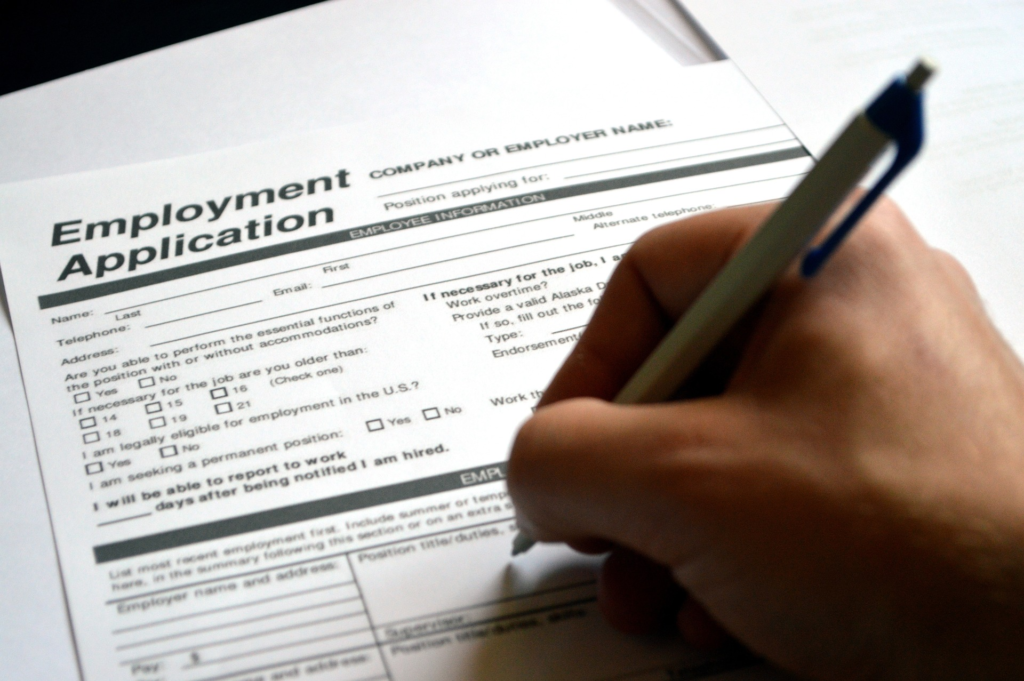
When a form asks what is an employer name, it usually wants the name of your current employer. You may see this field on job applications, financial forms, rental applications, insurance forms, and other documents.
Forms often ask for several employment details. These can include employer name, job title, work address, phone number, employment status, and employment dates. Each field has a different purpose.
For example, you might enter “Bright Tech Solutions” as your employer name and “Content Writer” as your job title. You would then enter the company’s address in the work address field. Keeping these details separate helps make your information clear and accurate.
Employer Name vs. Company Name
An employer name and company name are often the same. If a company directly hires you, its company name will normally be your employer name. This is the most common situation for regular employees.
However, some workers have more complicated arrangements. For example, a staffing agency may hire a worker and send them to another company’s workplace. The worker may perform duties at the second company but remain employed by the staffing agency.
This means the workplace and employer can sometimes be different. If you are unsure, check your employment contract or payslip. These documents can help identify the organization that officially employs you.
Where Can You Find Your Employer Name?
If you are unsure about what is an employer name for your job, check your employment documents first. Your employment contract is often one of the best sources because it identifies the employer connected to your job.
You can also check recent payslips, offer letters, employee portals, or workplace records. Look carefully because a company’s brand name and legal business name may not always match.
If you still cannot find the correct information, ask your employer or human resources department. It is better to confirm the name than guess. This is especially important when completing an application where employment details may be checked.
Why Is an Employer Name Important?
An employer name helps identify where you work and who employs you. It can be used to understand your current employment, previous work history, or professional background.
Correct information can also help prevent confusion. Many businesses have similar names, different branches, or several brands. Using the correct name gives the person reviewing your form clearer information.
You should avoid entering random or shortened information when accuracy matters. If your documents show the company’s full name, use that name when the form requests an official employer name. A quick check can prevent unnecessary errors.
What Should Self-Employed People Enter?
People who work for themselves may wonder what is an employer name when they do not have a traditional boss. The correct answer depends on their business setup and the form’s instructions.
If you own and operate a business, you may enter your business name when appropriate. If you work independently under your own name, some forms may allow you to enter your personal name. Other forms may have a separate “self-employed” option.
For example, a freelance designer may operate under the name Creative Pixel Studio. If the form asks for a business or employer name, that business name may be suitable. Always follow the specific instructions provided by the form.
What If You Have More Than One Employer?
Some people work two or more jobs. In this situation, what is an employer name depends on what the form is asking. Read the question carefully before entering information.
If the form asks for your current employer, you may need to provide your main employer. If it asks for all current employers, list each relevant organization.
For example, Maria may work at a bookstore during the week and tutor students during evenings. She may have two separate employment relationships. If the form provides space for multiple employers, she can list both rather than combining their names.
What If You Are a Freelancer or Contractor?
Freelancers and contractors may have different work arrangements. A freelancer often works with several clients, while a contractor may work through a personal business or another company.
This difference matters when completing employment forms. A client who pays for your services is not necessarily your employer. Your actual employment relationship depends on how your work is arranged.
If you are unsure, look for other fields asking about employment status, business ownership, or contractor status. These questions can help you understand what information the form expects.
What Is an Employer Name for a Previous Job?
You may see an employer field when completing your work history. In this case, enter the organization that employed you during that particular job.
For example, suppose you worked for Blue Star Media from 2022 through 2024. Blue Star Media would be the employer for that position. If you currently work somewhere else, your current employer should be entered separately when requested.
Use the employer name that was connected to the job at that time. If the business changed names, follow the instructions on the application. Accurate employment history helps employers and organizations understand your professional background.
Common Employer Name Mistakes
One common mistake is entering your manager’s name. Your manager may supervise you, but they are usually not the employer. Another mistake is entering your job title instead of the company name.
For example, “Graphic Designer” is a position, not an employer. Likewise, “Downtown Office” describes a location rather than an employer. These details belong in different fields when the form provides them.
Another mistake involves using a brand name when the form requires the legal business name. When unsure, check your employment documents and use the name requested by the form.
How to Enter Employer Details Correctly
Knowing what is an employer name is only part of completing employment information. You may also need your job title, work address, employment dates, and employment status.
Before submitting a form, check the spelling of your employer’s name. Make sure your employment dates are correct. Review the information against your contract, payslip, or employee records when possible.
Do not add extra information unless the form requests it. Simple and accurate answers are usually best. If a field is unclear, read the instructions carefully or ask the organization requesting the information.
Employer Name Details Table
The following table gives a quick example of how employment information may appear:
| Detail | Example |
| Employer Name | Bright Tech Solutions |
| Job Title | Content Writer |
| Employment Status | Full-Time |
| Workplace | Main Office |
| Employer Type | Private Company |
| Employment Period | 2024–Present |
| Work Address | Company Office |
| Main Purpose | Identifies the employer |
This example shows why different employment details should not be mixed together. The employer name identifies who employs you. Your job title explains what you do. Your work address shows where you perform your duties.
What Is an Employer Name in Simple Words?
So, what is an employer name in the simplest terms? It is the name of the company, organization, business, or person that officially employs you.
For most employees, finding the answer is easy. Check your employment contract, payslip, or offer letter. Look for the name of the organization that hired you and provides your employment.
If you are self-employed, freelance, or working through an agency, your answer may require more care. Always consider your actual work arrangement and follow the instructions on the form.
Conclusion
Understanding what is an employer name makes many forms easier to complete. In most cases, it means the official name of the company, business, organization, or person that employs you. It is different from your job title, manager’s name, and workplace address.
If you are unsure, check your employment contract or payslip before submitting a form. Self-employed workers, freelancers, and contractors should also read each form carefully. Taking a few minutes to confirm your information can help you avoid mistakes and provide clear, accurate employment details.
FAQs
Q1: What is an employer name?
A: An employer name is the name of the company, organization, business, or person that officially employs you.
Q2: What is an employer name example?
A: If Bright Tech Solutions employs you, “Bright Tech Solutions” is an example of an employer name.
Q3: Is my manager my employer?
A: Usually, no. Your manager supervises your work, while your employer is the organization or person that employs you.
Q4: What should self-employed people enter?
A: Depending on the form, you may enter your business name, personal name, or self-employed status.
Q5: Where can I find my employer name?
A: Check your employment contract, payslip, offer letter, or employee records. You can also ask your employer.
Q6: Can my employer and workplace have different names?
A: Yes. This can happen with staffing agencies, contractors, and outsourced work arrangements.